
Open Lab Signature Programme

Don't Just Learn Science. Experience How Scientists Think.

Explore the fascinating world of life sciences, learn how scientific discoveries are made, and investigate a real-world scientific challenge with guidance from an expert.

  • Grades 9–11
  • 12 Weeks
  • Expert-Led Learning
  • Individual Scientific Investigation

The problem

Science Education Should Go Beyond Textbooks.

Students learn scientific concepts in school, but rarely get the opportunity to experience how scientific knowledge is actually created.

  1. 01

    Limited exposure

    Students rarely interact with scientists working across emerging fields such as bioinformatics, immunology, neuroscience and bioengineering.

  2. 02

    Lack of practical scientific skills

    Knowing scientific concepts is different from knowing how to read research papers, interpret data, evaluate evidence and communicate scientific findings.

  3. 03

    No opportunity for independent investigation

    Students often learn established scientific knowledge without getting opportunities to investigate questions that remain unanswered.

  4. 04

    Difficulty finding meaningful academic experiences

    Students interested in science struggle to find structured opportunities to explore their interests and develop meaningful academic portfolios.

CORE bridges the gap between learning science and experiencing science.

Introducing CORE

A 12-Week Journey Into the World of Scientific Discovery.

CORE is a structured life sciences exploration programme designed to help students discover their scientific interests, develop essential research skills and investigate real-world scientific problems. Students progress through four clearly defined phases.

Phase 01 — Explore · Weeks 1–4

Discover the Future of Life Sciences.

Meet experts from diverse scientific disciplines. Explore how different fields work, understand the major problems scientists are trying to solve, and discover emerging technologies shaping the future.

Outcome

Students identify their scientific interests and select a challenge for their personal investigation.

Topics include
  • Cognitive Science
  • Psychology
  • Immunology
  • Cardiovascular Science
  • Cancer Biology
  • Bioinformatics
  • Bioengineering
  • Economics of Biotechnology
  • Ecology and Environment
  • Public Health
Format
  • Multiple 30-minute expert-led sessions each week.
  • Interactive discussions and real-world scientific case studies.
  • Exploration of emerging scientific challenges.
  • Opportunity for parents to attend selected expert sessions.
  • Guided selection of an individual scientific challenge.
What students take away

More Than a Certificate. A Scientific Portfolio.

By completing CORE, students develop tangible evidence of their scientific learning and capabilities.

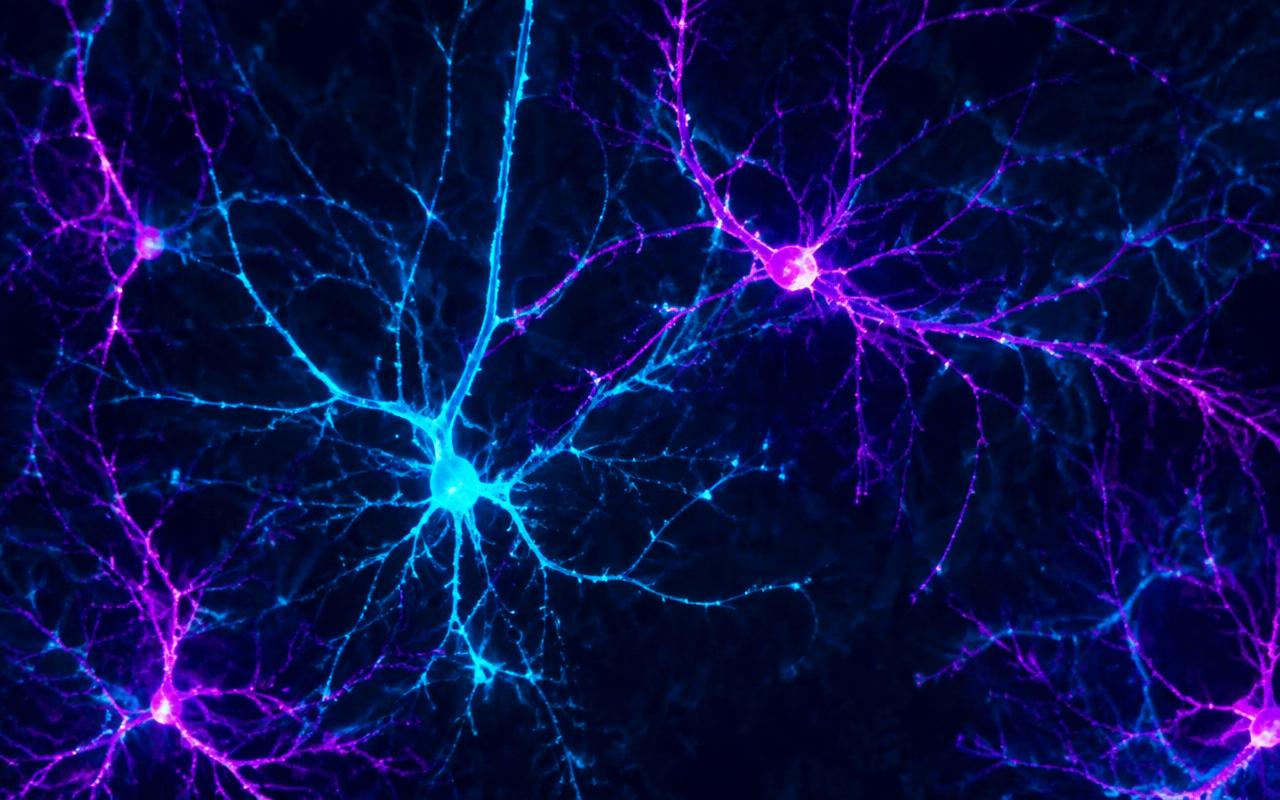
Fluorescence microscopy image of neurons
  1. 01

    Scientific Reading Portfolio

    A collection of critically analysed scientific research papers.

  2. 02

    Scientific Data Portfolio

    Demonstration of scientific data interpretation and computational skills.

  3. 03

    Personal Scientific Investigation

    A 2,000–3,000-word mentor-reviewed scientific report.

  4. 04

    Conference Presentation

    An opportunity to present and defend scientific findings at the Open Lab Conference.

  5. 05

    CORE Competency Report

    An individual assessment of scientific reasoning, evidence evaluation, analytical thinking, communication and independent problem-solving.

Learning from experts

Learn From People Who Are Advancing Science.

Students interact with researchers, scientists, academics and professionals working across the life sciences ecosystem.

  • Medicine and biomedical research
  • Neuroscience and cognitive science
  • Immunology and cancer biology
  • Computational biology and AI
  • Bioengineering and biotechnology
  • Ecology and public health

Who should apply?

Is CORE Right for Your Child?

CORE is designed for students in Grades 9–11 who:

Students do not need advanced research experience to participate. Curiosity, commitment and willingness to learn are essential.

  • Are curious about biology, medicine, technology and the natural world.
  • Want to explore scientific disciplines beyond school textbooks.
  • Enjoy asking questions and solving problems.
  • Want to understand how scientific discoveries happen.
  • Are willing to engage in rigorous academic work.
  • Want to develop independent thinking and communication skills.

The Future Belongs to Those Who Ask Better Questions.

Give your child the opportunity to explore the world of life sciences, learn from experts and experience the process of scientific discovery.

How we ensure academic quality

Rigour, Guidance and Meaningful Scientific Work.

  1. 01

    Curated challenges

    Every project is assessed for scientific relevance, feasibility, data availability and suitability for the student's background.

  2. 02

    Structured mentorship

    Students receive defined interactions with subject experts throughout their investigations.

  3. 03

    Academic standards

    Reports follow a structured scientific framework and undergo academic review.

  4. 04

    Individual assessment

    Students are evaluated on their scientific reasoning, reading, writing, analytical and communication skills.

FAQ

Frequently asked questions

Register your interest

Hear about upcoming cohorts.

Share a few details and the Open Lab team will send further information about the programme.

Enrolment for upcoming cohorts — details to follow